
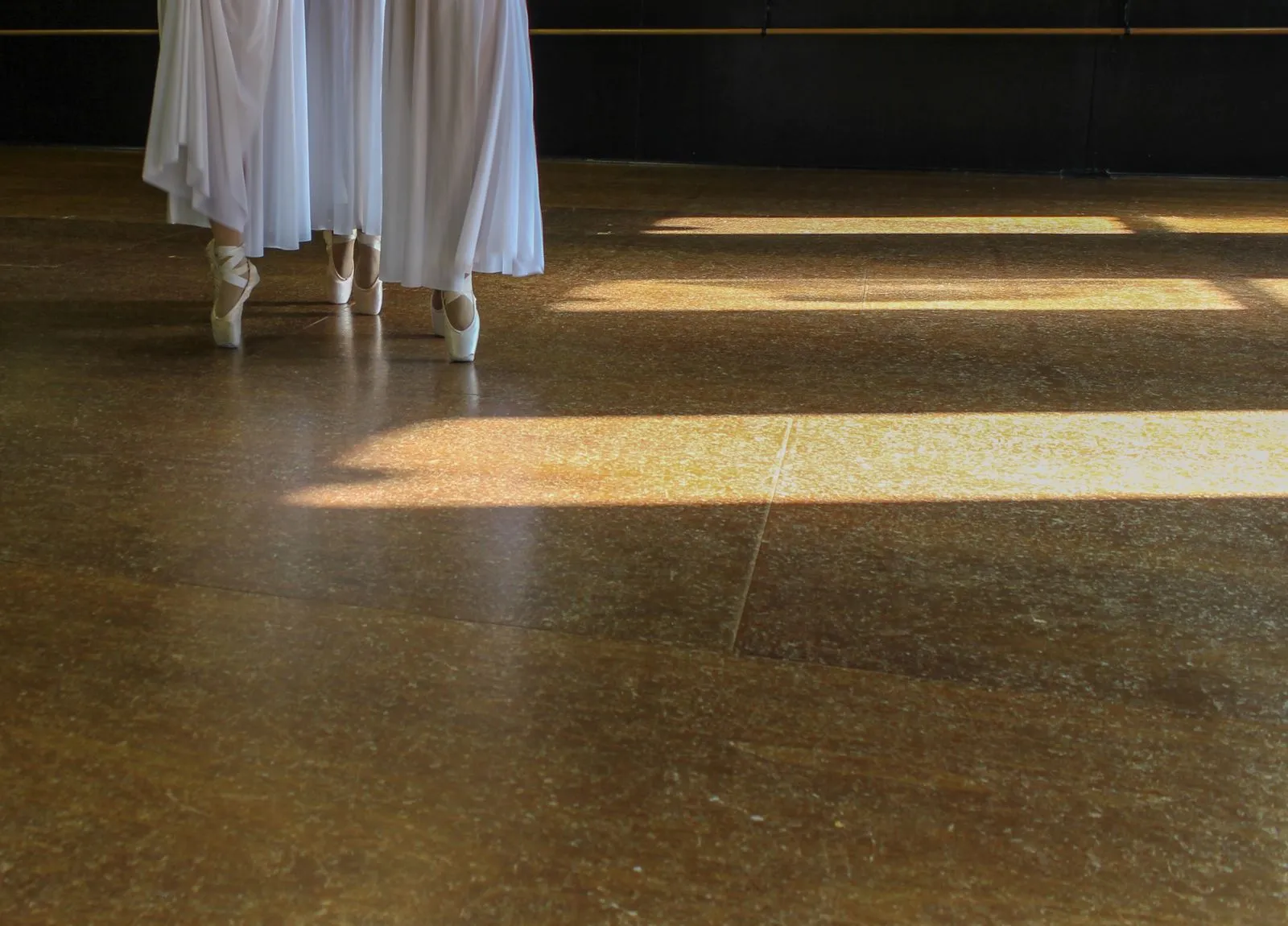
A little care between classes can help dance shoes stay comfortable and perform as intended. The right routine depends on the shoe: suede soles need different attention than leather or fabric uppers, and moisture can affect every pair. Start by checking the maker’s care instructions, then build a quick habit around brushing, airing out, and storing your shoes properly. These simple steps can keep them ready for your next trip to the studio.
Clean the Soles Carefully
For suede-soled shoes, use a shoe brush made for suede to lift dust and restore the nap. Brush in short, even strokes, and avoid pressing hard or scraping with a sharp tool. Clean the soles when they feel slick, rather than waiting until the end of the week. Keep the brush in your dance bag, but store it separately so its bristles stay clean.
Street dirt, grit, and moisture can change how a sole feels on the studio floor. Put dance shoes on only after you arrive, and take them off before heading outside. If dirt sticks to the sole, let it dry first, then brush gently. Don’t rinse suede soles or apply household cleaners; water and chemicals can damage the material and affect its texture.
Air Shoes Out After Class
After class, remove the shoes from your bag as soon as you can. Open the shoes and let them air-dry in a well-ventilated spot, away from direct sunlight, heaters, and other strong heat sources. Heat can dry out or distort some materials. If the insoles come out easily, remove them to help moisture escape, but don’t force them if they are attached.
For light odor, allow extra drying time and use a breathable shoe bag instead of sealing the pair in plastic. You can place a clean, dry moisture-absorbing insert inside while the shoes rest. Avoid spraying perfume or disinfectant directly onto the shoes unless the manufacturer says it is safe; sprays may stain materials or irritate skin.
Protect the Uppers
Wipe smooth leather uppers with a soft, slightly damp cloth, then dry them with a separate cloth. Use products made for that material only when needed and follow the label directions. For satin, canvas, or other delicate fabric, check the shoe maker’s guidance before spot-cleaning. Test any approved cleaner on a hidden area first, since color and finish can vary.
Keep shoes away from spilled drinks, makeup, and rough items in your bag. A separate shoe pouch helps prevent scuffs and keeps street dust off the uppers. Don’t use a washing machine or soak dance shoes unless the manufacturer specifically allows it. If a mark won’t come off with gentle care, stop before rubbing harder and ask a dance shoe professional about safer options.
Store Shoes for Their Next Class
Once the shoes are fully dry, store them in a breathable bag or a ventilated part of your dance bag. Keep them in a cool, dry place where they won’t be crushed under heavy gear. Avoid leaving them in a hot car or damp locker. If the shoes came with a box or shape support, use it when storing them at home, but allow them to air out after class first.
Check your shoes before each class for loose stitching, worn soles, damaged straps, or changes in fit. Early signs are easier to address than a problem noticed just before a performance. Keep a small care kit with a suitable brush, a soft cloth, and a spare bag. At Park City Dance Shoes, you can ask which care tools suit your shoe’s material and sole.
A quick routine makes dance shoe care manageable: brush suede soles as needed, air shoes out after class, clean uppers according to their material, and store pairs where they can breathe. Check the manufacturer’s guidance whenever you’re unsure. For help choosing care tools for your shoes, stop by Park City Dance Shoes.