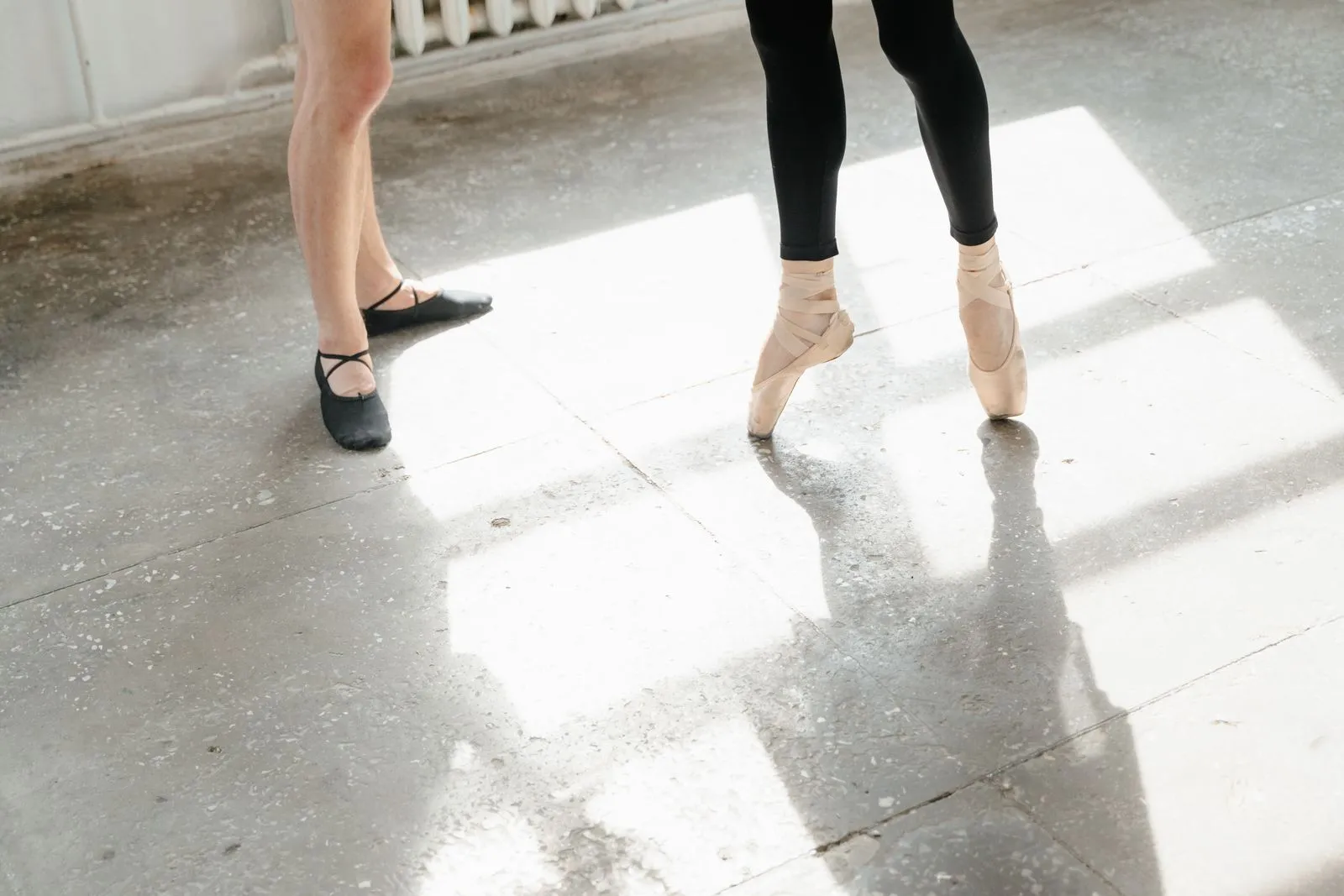
Your first dance shoes should help you move comfortably, not make every step feel like a balancing act. The right pair depends on what you dance, where you practice, and how much support you prefer. Start by checking fit, then compare shoe construction and soles. A little guidance before you buy can help you avoid shoes that pinch, slide, or grip the floor too much—and make your first class feel a lot more enjoyable.
Get the fit right
Dance shoes often fit more closely than everyday sneakers, but they should never cause sharp pain or numbness. Try them on with the type of socks or tights you plan to wear. Your toes should have room to lie comfortably, while your heel stays secure when you walk and rise onto the balls of your feet.
Check both feet, since one may be slightly larger. Walk, point your feet, and bend your knees in the shoes. Look for rubbing at the heel, pressure across the toes, or excess movement inside the shoe. If you are ordering online, review the size chart and return policy, and ask the seller how that style typically fits.
Match support to your needs
Beginners often benefit from a shoe that feels stable and comfortable rather than one built for advanced performance. A secure strap or lacing can help keep the shoe in place. A lower, wider heel may feel steadier than a narrow, high heel, especially if you are still getting used to balance and turns.
Support is personal and depends on the dance style, your experience, and your comfort. Ballet flats allow a close connection to the floor, while some ballroom shoes have structured uppers and different heel shapes. If you have foot pain or a condition that affects your balance, ask a qualified health professional what features may suit you before choosing a shoe.
Understand sole types
Suede soles are common for indoor dance floors because they allow controlled turns and can be brushed to refresh their texture. They are not designed for outdoor use: pavement and moisture can wear them down or change how they grip. Keep suede-soled shoes in a bag and change into them when you arrive.
Rubber soles usually offer more traction and durability, which can suit practice, outdoor dance, or styles that call for a firmer grip. But too much grip on a turning surface may make movement difficult. Leather soles offer another feel and vary by shoe. Ask your instructor what works on your studio floor, and do not assume one sole is right for every style.
Choose for your dance style
Different styles call for different designs. Ballet students generally look for flexible flats that let them point their feet. Ballroom dancers may choose a shoe made for their dance category, with a heel and sole suited to the steps. Tap shoes need attached taps, while styles such as jazz may call for a flexible split sole or a close-fitting shoe.
Before buying, check your class requirements and ask your instructor whether a specific style, sole, or heel is expected. If you are exploring several styles, consider starting with the shoe recommended for your current class instead of buying a specialty pair for each possibility. Park City Dance Shoes can help you compare options in person; bring your class details and any fit concerns.
A well-chosen first pair should fit securely, feel comfortable, and work with your dance style and floor. Confirm class requirements, test your movement, and choose the support and sole that suit your experience. If you are unsure, ask your instructor or visit Park City Dance Shoes to compare options before your next class.